The Perfect Crunch is Arriving Soon.
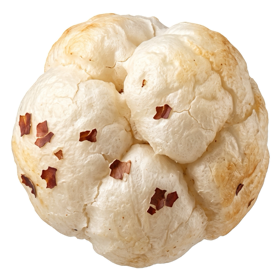
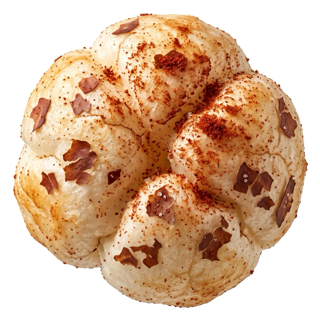
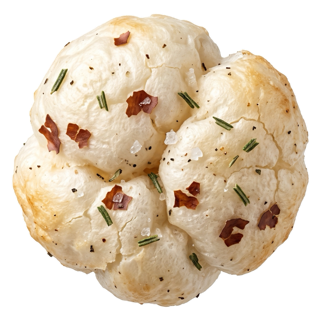
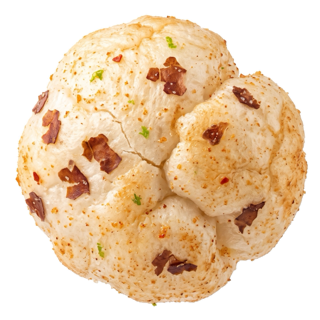
We're crafting premium roasted makhana – popped lotus seeds, hand-harvested in India. Light, crunchy and seasoned with real spices. Join the list to be among the first to taste our first batch.
The Ultimate Crunch
Roasted, never fried. All the satisfying crunch of a chip – made from popped lotus seeds instead of potatoes.
Simply Lotus Seeds
Hand-harvested from pond beds, sun-dried and popped. A naturally plant-based snack with a short, honest ingredient list.
Bold Gourmet Flavors
Snacking well doesn't mean boring. Every batch is tossed in real spices and herbs for a taste you'll remember.
The Collection
Three bold flavors, one beautifully simple seed. A first look at the packs we're getting ready for you.
 Design preview


From Pond to Bowl
Makhana – also called fox nuts or lotus seeds – are the seeds of the prickly water lily. Most of the world's supply comes from the wetlands of Mithila in Bihar, India, where they have been harvested for centuries.
-
01
Grown in still ponds
The water lily blooms in shallow ponds through the summer. Its seeds sink and settle on the soft pond floor.
-
02
Gathered by hand
Farmers wade and dive into the ponds to collect the seeds from the mud – a skill passed down through generations.
-
03
Sun-dried and popped
The seeds are cleaned, sun-dried and roasted in their shells, then cracked open so the white kernel puffs up.
-
04
Roasted and seasoned
We roast every batch – never fry – and season it with real spices for the perfect crunch.
Did You Know?
Makhana grows on the prickly water lily – a plant whose round, floating leaves can grow more than a metre across.
The plant blooms with small, vivid purple flowers. Some of them never open at all and pollinate themselves underwater.
To pop makhana the traditional way, the roasted seeds are struck with a wooden mallet – the hard shell cracks and the white kernel puffs up.
In India, makhana is a classic on fasting days and in festive sweets like makhana kheer, a creamy rice-pudding-style dessert.
In Chinese cooking, the very same seed is known as qiànshí and is often simmered in soups.
Botanists call the plant Euryale ferox – named after Euryale, one of the Gorgon sisters of Greek myth. That's why makhana is sometimes called “gorgon nut”.
Ways to Enjoy
Makhana is more than a snack straight from the bag. Here's how we like ours.
-
Desk crunch
The 3 pm slump called. A handful keeps you crunching between meetings.
Try with -
With tea or coffee
Like a savoury biscuit for your cup – try it with masala chai or a flat white.
Try with -
Movie night
Swap the popcorn bowl. Light, crunchy and no hulls stuck in your teeth.
Try with -
On salads & soups
Scatter a handful on top just before serving – a crunchy swap for croutons.
Try with -
Trail mix
Mix with almonds, dried mango and dark chocolate for hikes, bike rides and road trips.
Try with -
Apéro hour
Serve in a small bowl next to a cold spritz, a glass of wine or a craft beer.
Try with
How It Compares
| Feature | MAKA | Chips | Popcorn |
|---|---|---|---|
| Made from | Lotus seeds | Potatoes | Corn |
| Preparation | Roasted | Deep-fried | Usually popped in oil |
| Hulls in your teeth | None | None | Yes |
| Vegan | Yes | Varies | Varies |
Compared with typical fried potato chips and popcorn.
Good to Know
What is makhana?
Makhana are the popped seeds of the prickly water lily (Euryale ferox), also sold as fox nuts or lotus seeds. In India they have been a popular snack for centuries – light, crunchy and naturally plant-based.
What does it taste like?
On its own, makhana is mild and slightly nutty with an airy crunch – somewhere between popcorn and a rice cracker. That's why it carries seasoning so well.
Is it vegan and gluten-free?
Makhana itself is plant-based and naturally gluten-free. You'll find the full ingredient and allergen list on every pack.
Where does it come from?
Almost all makhana is grown in India, mainly in the Mithila region of Bihar. "Mithila Makhana" has had a protected origin status (GI tag) in India since 2022.
How should I store it?
Keep the pack sealed in a cool, dry place. Makhana loves crunch and hates humidity – reseal it after opening.
When can I buy it?
We're preparing our first batch now. Join the list and you'll be the first to know – and you can vote for the flavor we make first.


